From 50 Posters to 5,000: What Changes When a Print Job Scales Up?
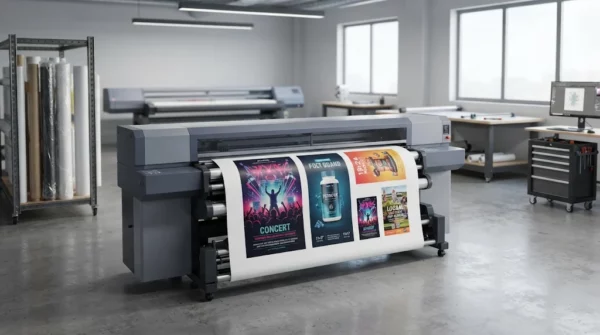
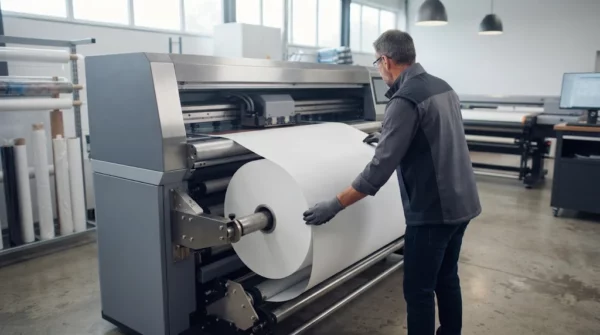
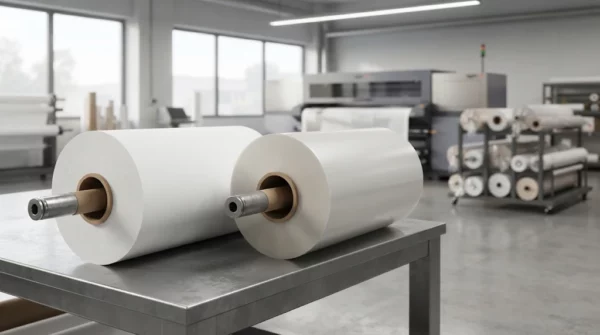
A print shop can produce 50 posters with a relatively simple workflow. The operator loads the media, checks the artwork, adjusts the printer settings and monitors the output. If something needs correcting, there is usually enough room to pause, make an adjustment and restart. Now consider an order for 5,000 posters, possibly using several rolls of media and requiring delivery within a fixed deadline. The equipment may be the same, but the production challenge is completely different. At this volume, a successful first print is only the starting point. The real test is whether the same result can be maintained across every roll, shift and finishing stage. A small difference in coating behaviour, ink drying or media dimensions may be difficult to notice on a few samples. Repeated across thousands of copies, however, it can create visible inconsistencies, production delays and substantial material waste. This is the fundamental difference between short run vs high volume printing. Small jobs reward flexibility and quick adjustments. Large jobs depend on repeatability, process control and reliable coordination. The operator is no longer managing a series of individual prints; the production team is managing an entire system in which printing, drying, cutting, packing and delivery must work together. Scaling up also changes the way materials should be evaluated. A substrate that performs well during a short test may not necessarily be the best choice for continuous production. Long-run stability, roll-to-roll consistency, drying performance and handling characteristics become just as important as print quality. So what actually changes when an order grows from 50 posters to 5,000? The answer lies in how the production priorities, equipment settings and supply arrangements are planned before the first full roll enters the printer.
Read more →