What Are the Key Differences Between PP and PET Backlit Film?
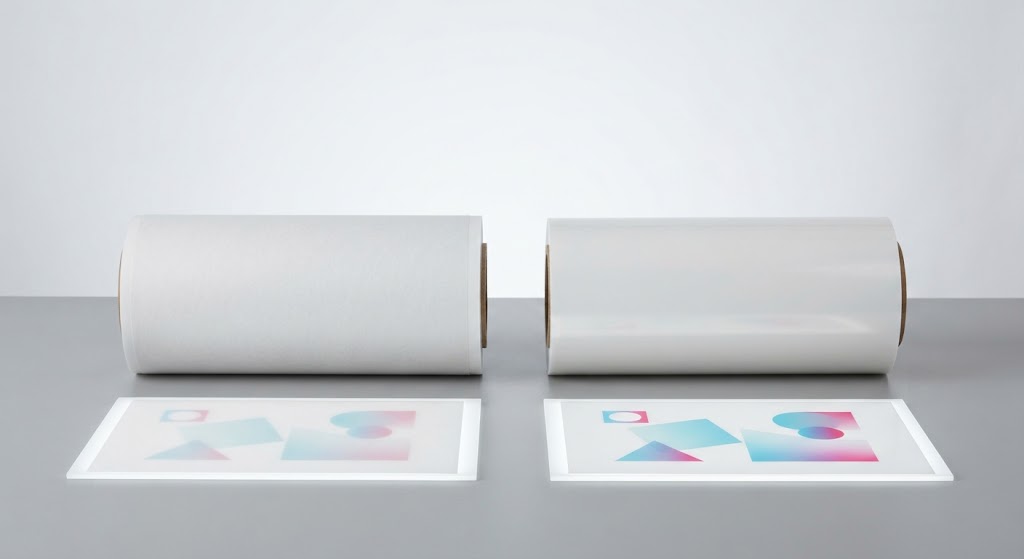
PP Backlit Film is generally lightweight and flexible, making it convenient to handle, transport and install. It can be a practical option for indoor retail promotions and displays that are updated regularly. PET Backlit Film is made with a polyester base and is valued for its dimensional stability and tensile strength. It is often used for retail light boxes, commercial signage and other displays where the graphic needs to remain flat and consistent over time. The difference is not simply about price. It is also about how each film behaves during installation and use.
How Film Structure Affects Flexibility, Dimensional Stability and Handling
The differences between PP and PET become clearer when you work with them. PP films are usually more flexible and easier to roll and handle. This can be useful for lightweight displays and promotional graphics that need to be changed frequently. However, some PP grades may offer less stiffness and dimensional stability than comparable PET films, so the finished display and mounting method need to be considered. PET Backlit Film generally offers better dimensional stability. It is less likely to stretch during handling and can help maintain a flat appearance in framed or larger-format displays. This makes PET worth considering when the graphic will remain installed for an extended period.
Three practical factors can help guide the choice: Installation: Flexible PP films are convenient to handle, while PET may be more suitable when the display requires a flatter, more stable surface. Display size and flatness: Larger graphics and rigid frames place greater demands on material stability. The film should be tested in the actual display structure. Replacement frequency: PP can be a practical choice for frequently updated promotions. PET is worth considering when a graphic needs to maintain its shape over a longer display period. For a temporary retail campaign, PP Backlit Film may offer the right balance of handling and cost. For a large retail light box or a display that needs to stay flat for longer, PET Backlit Film may be the more suitable option.
How to Choose the Right Backlit Film for Your Light Box Display?
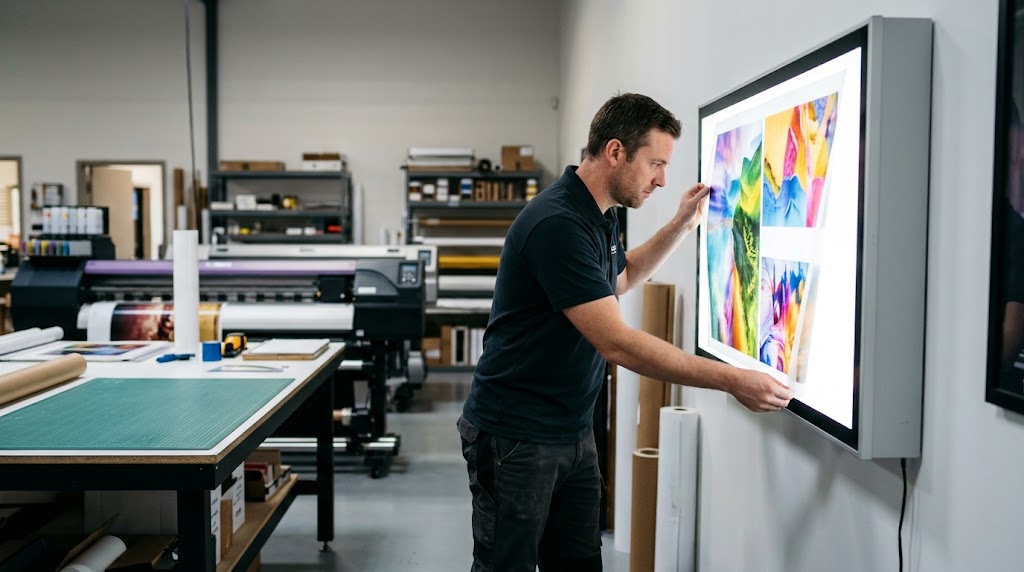
Choosing a film based on its material alone is not enough. A Backlit Display Film also needs to work with the printing equipment, ink, light source and mounting system used in the project. A sample that looks good under normal room lighting may produce a different result once illuminated. It is therefore worth checking the complete setup before confirming a production order.
What Should You Check Before Selecting a Backlit Film?
Printer and ink compatibility
Start with your printing system. UV, latex, solvent, eco-solvent and dye-based inks require suitable film coatings and surface treatments. Compatibility can vary between products, even when they use the same base material. Check the manufacturer’s specifications and run a print test with your own equipment before ordering in bulk.
Light source and image appearance
The finished graphic should be checked under the light source it will actually use, whether LED or another lighting system. Pay attention to colour density, brightness and uniformity across the image. Uneven illumination or visible hot spots may also be related to the light box design and the position of the light source, not just the film.
Size and mounting method
A small menu display and a large framed light box do not place the same demands on the material. Consider the film size, frame design, tension, installation method and whether the graphic needs to be removed and replaced regularly. PET may be worth considering where flatness is especially important, while flexible PP can suit displays where easy handling is a priority.
Replacement cycle and working environment
A short-term retail promotion has different requirements from a permanent menu board or long-term commercial display. Consider how long the graphic will remain in use and whether it will be exposed to temperature changes or other environmental conditions. Before committing to a large order, print a sample and install it in the actual light box. Check the colours with the backlight switched on, look for uneven brightness, and observe how the film sits in the frame. Also check ink adhesion and handling during installation. A sample test is a much more reliable basis for selection than material descriptions alone. For light box advertising, PP Backlit Film is worth considering when flexibility, easy handling and cost are important. PET Backlit Film is a strong candidate when dimensional stability and a flat display surface matter more. In both cases, the final choice should be based on the film’s actual specifications and performance in the intended setup. NAISI offers Backlit Display Film options for different printing and display requirements. Share your printer and ink system, light box structure, graphic size and expected usage period with our team. We can help identify a suitable specification and provide samples for testing before production.